Unpacking the Agile Workflow
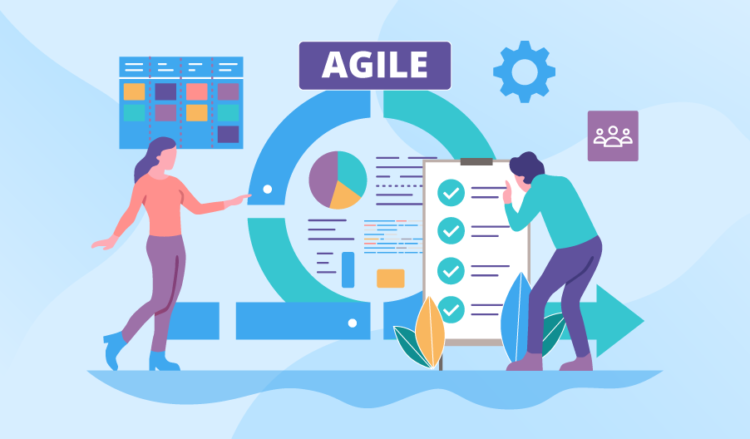
Agile workflow represents a contemporary project management approach, predominantly flourishing in the realm of software development. This methodology thrives on iterative progress, where requirements and solutions constantly evolve through rich collaboration among diverse, cross-functional teams. The essence of Agile lies in its core principles of flexibility, customer feedback, and ongoing improvement, nurturing an environment of adaptive planning, evolutionary development, early product delivery, and swift responses to change.
The Journey Through Agile Workflow
An Agile workflow embarks on a dynamic journey, guiding a team from the inception of ideas to the successful delivery of a product. This expedition is structured into several pivotal phases, each contributing uniquely to the Agile experience:
Ideation
The journey begins with ideation, a fertile ground where novel ideas sprout and flourish. This initial phase is a collective endeavor, with team members engaging in brainstorming sessions and value stream mapping. During these vibrant discussions, initial concepts are explored and refined, allowing the team to align on shared goals and ambitions for the project.
Planning
With ideas taking shape, the next phase involves meticulous planning. Here, the team outlines the project scope, establishes realistic timelines, and sets work-in-progress (WIP) limits. Workflow policies and commitment points are also defined, ensuring transparency and efficiency within the process. This phase lays down the foundation for the structured progression of the project.
Execution
Now, the real work begins in the execution phase. Teams dive into iterative development, employing Agile methodologies such as Scrum and Kanban. This stage is characterized by self-organizing teams who manage their tasks through visual management tools, ensuring high levels of transparency and collaboration. The iterative nature of this phase allows for continuous testing, learning, and adaptation, driving the project forward with precision.
Delivery
The journey culminates in the delivery phase, where the product is finally brought into the hands of the customer. To ensure the product meets expectations, continuous feedback loops and sprint reviews are integral at this stage. Regular evaluations and retrospectives are conducted, identifying areas for continuous improvement and setting the stage for future iterations.
Through this structured yet flexible approach, Agile workflow empowers teams to adopt a collaborative, iterative, and innovative mindset. This methodology equips teams to respond adeptly to evolving requirements, fostering a culture of creativity and excellence at every step of the journey.
The Value in Agile Workflow
Agile workflows offer significant benefits, transforming the way teams handle project management and application development. These advantages are manifold:
- Enhanced Transparency: Agile encourages open communication among all team members, fostering a transparent environment where everyone is informed about the project’s status through daily stand-ups and visual management tools like cumulative flow diagrams.
- Adaptability: One of Agile’s core principles is adaptability, which allows teams to quickly respond to changes in project scope, requirements, or customer needs. This is facilitated by adaptive planning and iterative cycles.
- Team Collaboration: Agile promotes a culture of continuous feedback and team engagement. Cross-functional teams work together, ensuring that each member’s expertise is leveraged to its fullest potential. This blend of skills and perspectives is crucial for solving complex problems efficiently.
- Incremental Delivery: Agile workflows focus on delivering smaller, manageable increments of work rather than a single, final deliverable. This repeated delivery ensures that the product is continuously evolving and improving, leading to higher quality and faster time-to-market.
- Customer Satisfaction: By incorporating regular feedback loops and customer collaboration, Agile workflows make sure that the final product aligns closely with customer expectations. This focus on continual improvement and early delivery ensures higher levels of customer satisfaction.
- Continuous Improvement: Agile emphasizes regular retrospectives and sprint reviews, which help identify areas for improvement. This ongoing process of evaluation and refinement promotes continual improvement in both processes and outcomes.
A Deep Dive into Key Agile Methodologies
Agile workflows are versatile, supported by various methodologies, each catering to specific project needs and team dynamics:
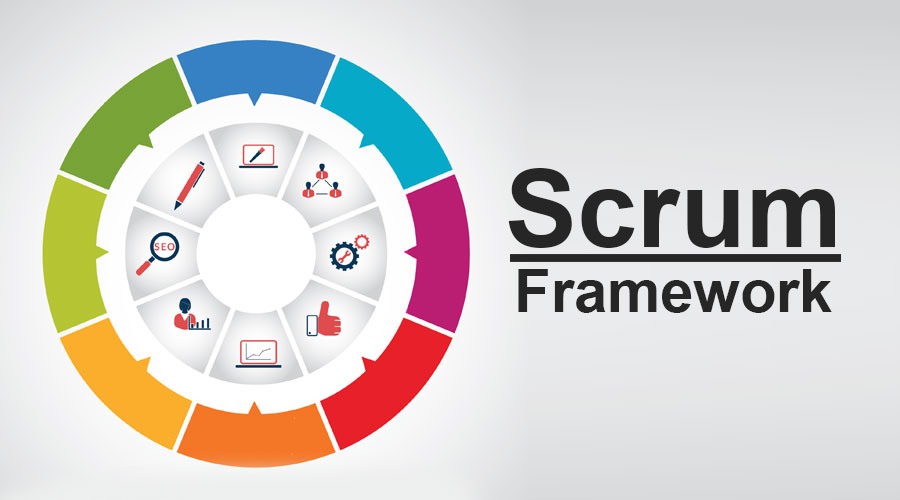
- Scrum: This methodology is founded on iterative cycles called sprints, where self-organizing teams work on predefined tasks to achieve incremental progress. Daily stand-ups and sprint planning sessions ensure that everyone is aligned and focused.
- Kanban: Kanban emphasizes a continuous flow of tasks, identifying and alleviating bottlenecks. Tasks move through different workflow states, from ‘to do’ and ‘in progress’ to ‘done’, showcasing a clear visual representation of work status.
- Scrumban: A hybrid of Scrum and Kanban, Scrumban combines elements of iterative cycles and continuous flow, allowing teams to be more adaptable and responsive.
- Extreme Programming (XP): XP focuses on improving software quality through frequent releases in short development cycles. This methodology champions practices like test-driven development (TDD) and continuous integration (CI).
- Crystal Methodology: Crystal is a flexible, human-centric approach that emphasizes team interactions and communication over strict processes and tools.
- Dynamic Systems Development Method (DSDM): DSDM provides a framework for rapid application development (RAD) by emphasizing project visibility, fixed timeframes, and active user involvement.
- Feature Driven Development (FDD): FDD is a model-driven, incremental approach focusing on features. It promotes regular builds and tangible progress within short iterations.
- Adaptive Software Development (ASD): ASD is designed to accommodate constant change and is built on cycles of speculation, collaboration, and learning.
Each of these methodologies offers unique tools and practices that support Agile principles, making it possible for teams to manage, visualize, and enhance their work effectively.
Best Practices for Implementing Agile Workflow
Implementing an Agile workflow helps teams achieve their goals more efficiently. Here are some best practices to consider:
- Start Simple: Begin with a simple workflow (e.g., ‘To Do’, ‘In Progress’, ‘Code Review’, ‘Done’) and adapt as the team matures. Acquire feedback regularly to understand pain points and areas for improvement.
- Regular Retrospectives: Conducting regular retrospectives allows your team to reflect on what went well and what could be improved. This iterative evaluation leads to continuous workflow adaptation and enhancement.
- WIP Limits: Introducing WIP limits ensures that team members are not overwhelmed and that tasks are completed efficiently. This practice helps maintain focus and productivity.
- Leverage Visual Tools: Utilize visual management tools such as Kanban boards and cumulative flow diagrams to track progress and identify bottlenecks. These tools promote transparency and clear communication.
- Inter-Team Transitions: Foster smooth transitions by sharing workflows and standardizing practices among Agile teams. This helps create unified processes and minimizes disruptions.
- Focus on Customer Feedback: Integrate customer feedback throughout the development process to ensure the product meets their needs and expectations. This proactive approach enhances customer satisfaction.
- Commitment and Collaboration: Cultivate a culture of open communication, collaboration, and commitment within the team. Engaged team members are more productive and invested in the project’s success.
By adhering to these best practices, teams can develop a robust Agile process flow, ensuring efficiency and high-quality output.
Agile Workflows: Fluid and Responsive
Agile workflows are designed to be fluid and responsive to change, in stark contrast to traditional project management methods. They seamlessly integrate all elements of the production system, from tools to individuals, ensuring active engagement at every stage of development.
While Agile methodologies offer myriad benefits, including flexibility and expedited delivery times, they also necessitate extensive team collaboration and precise documentation to achieve the best results. By continually adapting workflows and embracing best practices, teams can maintain an efficient Agile process flow and consistently deliver high-quality products.

- Leading with Agility: How Aravo Solutions Transforms ESG and Risk Management - February 19, 2026
- Boost Your Business with Commercial Facility Services - December 30, 2025
- Best Enterprise Risk Management Software for Organizational Transformation: 6 Platforms to Navigate Change - December 21, 2025